Symptoms of ankylosing spondylitis
summary
Ankylosing spondylitis mainly occurs in sacroiliac joint or spinal attachment point. This inflammation may be caused by autoimmune reaction. Because there may be a kind of antigen similar to Klebsiella in some people's body, so the body in order to eliminate Klebsiella and constantly produce antibodies for autoimmunity, which can make ankylosing spondylitis. After the onset of ankylosing spondylitis, the annulus fibrosus of intervertebral disc will ossify and lead to chronic inflammation. Now people divide ankylosing spondylitis into the range of rheumatism. Now let me introduce it to you
Symptoms of ankylosing spondylitis
Most cases of ankylosing spondylitis occur in young people aged 16 to 25. The symptoms are not obvious in the early stage, but some patients may have systemic symptoms in the early stage. For example, when some people get sick at an early stage, they can feel weak and gradually lose weight.
After the onset of ankylosing spondylitis, the patient may have low fever for a long time, which may be intermittent or continuous. Patients may also have anorexia, some people will appear anemia. If it is found in the late stage, the prognosis is poor.
Ankylosing spondylitis can show some symptoms of arthropathy. For example, after the onset of the disease, the patient's joints will produce inflammatory pain, and the affected muscles will have spasms. The patient's joints will become more rigid, especially in the morning when the feeling of joint stiffness is particularly obvious.
matters needing attention
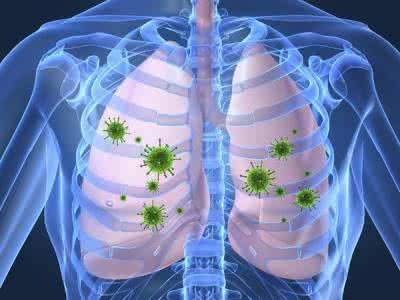
Some patients with ankylosing spondylitis may have chest pain or back pain, and even prone to hunchback deformity, which may be caused by the simultaneous occurrence of ankylosing spondylitis and thoracic lesions