What symptom is hypertension?
summary
Hypertension is a clinical syndrome characterized by increased systemic arterial blood pressure (systolic and / or diastolic blood pressure) (systolic blood pressure ≥ 140 mmHg, diastolic blood pressure ≥ 90 mmHg), which can be accompanied by functional or organic damage of heart, brain, kidney and other organs. Hypertension is the most common chronic disease and the main risk factor of cardiovascular and cerebrovascular diseases. What symptom is hypertension? Let's talk about it
What symptom is hypertension?
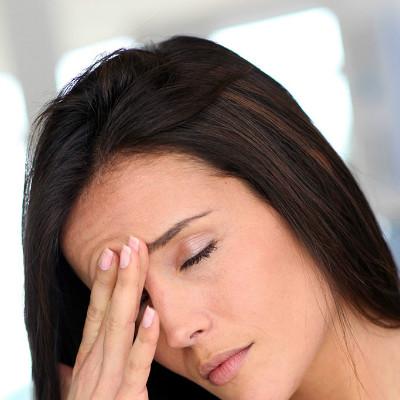
The symptoms of hypertension vary from person to person. Early may be asymptomatic or symptoms are not obvious, the common is dizziness, headache, neck plate tight, fatigue, palpitations and so on. Only in tired, nervous, emotional fluctuations after blood pressure rise, and return to normal after rest. With the extension of the course of disease, blood pressure significantly increased, and gradually there will be a variety of symptoms. At this time, it is called slowly progressive hypertension.
The common clinical symptoms of slowly progressive hypertension are headache, dizziness, inattention, memory loss, numbness, nocturia, palpitation, chest tightness, fatigue and so on. The symptoms of hypertension are related to the level of blood pressure. Most of the symptoms can be aggravated after tension or fatigue. The blood pressure can rise rapidly after early morning activities. The occurrence of early morning hypertension leads to the occurrence of cardiovascular and cerebrovascular events in the early morning.
When the blood pressure suddenly rises to a certain extent, there will even be severe headache, vomiting, palpitation, vertigo and other symptoms. When it is serious, there will be delirium and convulsion, which belongs to rapidly progressive hypertension and hypertensive critical illness. In a short time, there will be serious damage and pathological changes of heart, brain, kidney and other organs, such as stroke, myocardial infarction, renal failure and so on. There was no consistent relationship between symptoms and elevated blood pressure.
matters needing attention
Improve the life behavior, reduce and control the weight. ② Reduce sodium intake. ③ Supplement calcium and potassium. ④ Reduce fat intake. ⑤ Increase exercise. ⑥ Quit smoking and limit drinking. ⑦ Reduce mental pressure and maintain psychological balance. Due to the different etiology and pathogenesis of hypertension, individualized blood pressure control standard should be treated separately, and the most appropriate drug and dose should be selected to obtain the best curative effect.