How long does liver calcification need to form?
summary
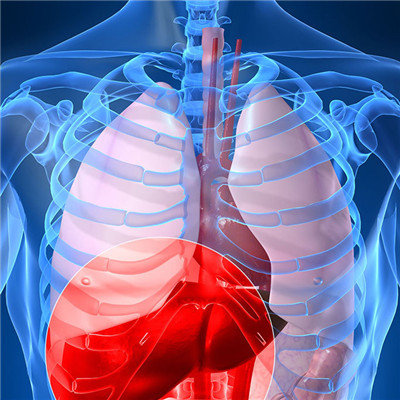
Intrahepatic calcification refers to the presence of hyperechogenicity in the liver detected by B-ultrasound or high-density imaging in the liver during CT examination. With the gradual popularization of health examination, the detection rate of intrahepatic calcification is also significantly increased. Intrahepatic calcification is more common in people aged 20-50, generally a single calcification, and the right lobe of liver is more than the left lobe of liver. As a complex disease, how long does it take for liver calcification to form? How can it be?
How long does liver calcification need to form?
First: under normal circumstances, intrahepatic calcification is usually found by ultrasound examination during physical examination. According to the number, location, shape, size of hyperechoic lesions, and whether intrahepatic and extrahepatic bile ducts are dilated, we can distinguish whether it is intrahepatic bile duct stones or simple intrahepatic calcification. If the sonogram is typical, the diagnosis can be made generally. Some calcifications are close to the intrahepatic bile duct, which are easy to be confused with intrahepatic bile duct stones. Therefore, CT or MRCP is needed for further differential diagnosis.
Second: because of the high incidence rate of cholelithiasis in China, intrahepatic calcification often occurs simultaneously with hepatobiliary stones. Simple intrahepatic calcification usually has no symptoms, mainly through physical examination found that a small number of large calcification under the liver capsule can cause pain and discomfort in the right upper abdomen.
Third: benign and malignant liver tumors, benign tumor calcification is common in hepatic cavernous hemangioma, malignant tumor calcification is mainly liver cancer and hepatoblastoma. When colorectal cancer, breast cancer, gastric cancer metastases to the liver, liver metastases can also occur calcification;
matters needing attention
In most cases, intrahepatic calcification is a pathological change that remains in the liver after some liver lesions are stable or healed. It will be stable for a long time after it is formed. It will not subside and rarely continue to develop. Generally, it has no obvious symptoms and will not cause obvious adverse effects on the body, so there is no need for treatment.