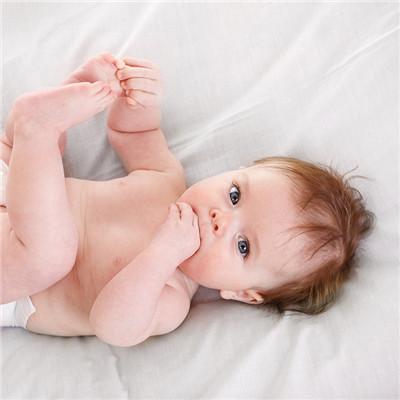
Symptoms of rhinitis in children
summary
In addition to nasal congestion and purulent mucus, children with rhinitis can have fever, cough, depression, irritability, otitis media, epistaxis and joint pain. Older children will have headache. After the formation of chronic rhinitis, there are occlusive nasal sounds and mouth breathing, mucinous nose "inexhaustible.". Long term nasal obstruction and open mouth breathing can affect the development of the face and chest. As parents, we should pay more attention. Let's talk about the symptoms of rhinitis in children
Symptoms of rhinitis in children
1. Adult allergic rhinitis has typical symptoms and signs such as nasal itching, runny nose and sneezing, which is easy to diagnose. However, the symptoms and signs of children allergic rhinitis cases have great variation and are not typical. The common symptoms of allergic rhinitis in children include: itchy nose (children often rub their nose), alternate nasal obstruction (dry throat and sore throat caused by oral breathing), sneezing (usually sudden and severe), runny nose (mostly clear water, purulent nose when infected;) Nasal cavity is not ventilated (olfactory decline or disappear), dizziness, headache, ear tightness, red and itchy eyes and tears (black eye circles under the orbit are often caused by rubbing eyes).
2. The symptoms and signs of children's sinusitis are similar to those of common cold, so it is difficult to diagnose them. They have the following characteristics. We should think of the possibility of sinusitis and go to the Department of otorhinolaryngology in time: first, the symptoms last more than 10 days; second, they suffer from upper respiratory tract inflammation many times a year, with fever and purulent nasal discharge.
3. The common symptom of maxillary sinusitis in children is a long-term mild cough, with a "sing, sing" sound, accompanied by expectoration. In fact, this is not the sputum secreted by the trachea, but the nasal mucus produced by infantile rhinitis flows down to the throat, trachea and bronchus, and then causes a reflex cough to cough up the nasal mucus. This kind of nasal regurgitation can stimulate the upper respiratory tract for a long time, which can cause chronic inflammation, bronchitis or spasm, and promote cough and asthma; In turn, it affects the vascular changes of the nasal mucosa, causing severe nasal obstruction, sore throat and other diseases, aggravating the inflammation of the paranasal sinuses. It is called rhinopulmonary reflex syndrome in medicine.
matters needing attention
In the hot summer, I want to grab a drink as soon as I see the cool drink. But I don't know it will give rhinitis an opportunity. Therefore, we should pay attention to the method of eating, and should not eat too much. When swimming in summer, rhinitis patients should pay attention to the infection caused by water entering the nasal cavity. So every head should inhale deeply before entering water, and exhale with nose after entering water. Where the head is not immersed in water swimming, the application of mouth inhalation, exhale with the nose. After coming out of the water, if there is water in the nose, it is not suitable to blow it out with force. You can jump on the ground, and at the same time, use the nose for short breath to eject the water