How is kidney stone treated
summary
Although kidney stone is a benign disease, sometimes it may block the urinary tract, hinder the excretion of urine, cause pain, hydronephrosis, serious may cause uremia or even tumor. The characteristics of renal calculi are: complex etiology, diverse components, non-specific symptoms, many treatment methods and strong professionalism. In particular, the treatment should be based on the different circumstances of stones to develop different strategies and choose the best method. Therefore, after getting kidney stones, we need to go to a regular hospital for diagnosis and treatment. Let's take a look at the following.
How is kidney stone treated
First, the purpose of the treatment of kidney stones is to remove stones, keep the urinary tract unobstructed, and make the urinary system play a normal function. The method of removing the stones should be based on the location, number, size, renal function, anatomical abnormality, infection and physical condition of the stones. Generally speaking, conservative treatment or observation is the main treatment for renal calculi less than 5mm.
Second: diet adjustment is an important content to prevent stone recurrence. For patients with calcium oxalate stones, we should reduce the intake of foods that are easy to produce oxalic acid, such as spinach, amaranth, cabbage, mustard and so on, and avoid taking a lot of vitamin C. For the elderly, calcium supplementation is generally not limited, but calcium supplementation should be carried out at the same time with meals.
Third: spinach and tofu can not eat is unreasonable. The incidence rate of uric acid stones is increasing year by year, which is related to excessive intake of meat and fat. Patients with uric acid stones should eat less purine producing foods, such as animal viscera, seafood, beef and mutton, soup, nuts, etc.
matters needing attention
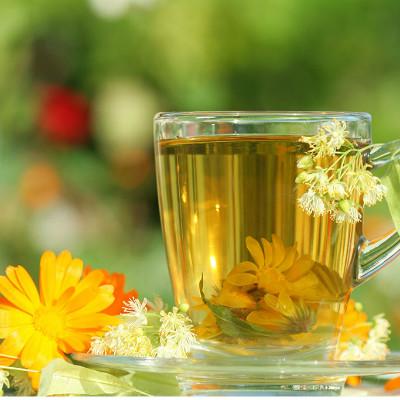
Drinking more water is also an important part of the prevention of stone recurrence. It is suggested that patients with stones should drink more than 4000 ml of liquid every day and discharge more than 1500 ml of urine every day to keep the urine in a very diluted state. The daily urine volume of patients with uric acid stones is recommended to be more than 2000 ml, and that of patients with cystine stones is recommended to be more than 3000 ml. The main types of drinking water are boiled water, pure water and mineral water. Light tea, orange juice and watermelon are good ways of drinking water. To take the initiative to drink, drinking water should be evenly distributed throughout the day.