What are the symptoms of osteoporosis?
summary
Osteoporosis is a kind of systemic bone disease, which is characterized by the decrease of bone mass and the destruction of bone micro structure. It is characterized by the increase of bone fragility, so the risk of fracture is greatly increased. Even in the case of slight trauma or no trauma, fracture is easy to occur. What are the symptoms of osteoporosis? Let's talk about it
What are the symptoms of osteoporosis?
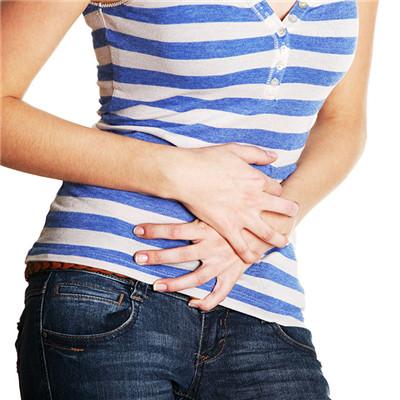
The most common symptom of primary osteoporosis is low back pain, accounting for 70% - 80% of patients with pain. The pain spread to both sides of the spine. The pain was alleviated when lying on the back or sitting position. The pain was aggravated when standing upright or standing for a long time or sitting for a long time. The pain was mild during the day, aggravated when waking up at night and in the morning. The pain was aggravated when bending, muscle movement, coughing and defecating.
Generally, bone pain occurs when the bone loss is more than 12%. Senile osteoporosis, vertebral trabecular atrophy, the number of reduction, vertebral compression deformation, spinal flexion, lumbar muscle in order to correct spinal flexion, double contraction, muscle fatigue and even spasm, pain. Recently, thoracolumbar vertebral compression fractures can also cause acute pain, and the corresponding spinal spinous process may have strong tenderness and percussion pain,
Generally, it can be relieved gradually after 2-3 weeks, and some patients may have chronic low back pain. If the corresponding spinal nerve is compressed, it can produce limb radiating pain, sensory motor disturbance of both lower limbs, intercostal neuralgia, retrosternal pain similar to angina pectoris, and upper abdominal pain similar to acute abdomen. If the spinal cord and cauda equina are compressed, the function of bladder and rectum will be affected.
matters needing attention
We should start from children and teenagers, such as paying attention to reasonable diet and nutrition, eating more foods with high Ca and P, such as fish, shrimp, shrimp skin, kelp, milk (250ml contains 300mg CA), dairy products, bone soup, eggs, beans, refined grains, sesame, melon seeds, green leafy vegetables, etc. We should try our best to get rid of the "risk factors" and adhere to a scientific lifestyle, such as physical exercise, more sunbathing, no smoking, no drinking, less coffee, strong tea and carbonated drinks,