Sexual enlightenment, knowing your body?
summary
Two or three-year-old babies have begun to wonder and worry about gender issues. Preschool children are more keen to play sex games such as "marriage" or "doctor check-up". This is actually the normal physiological and psychological reaction of children. Young parents should have basic knowledge of infant sex at this time. Next, I'll give you a brief introduction.
Sexual enlightenment, knowing your body?
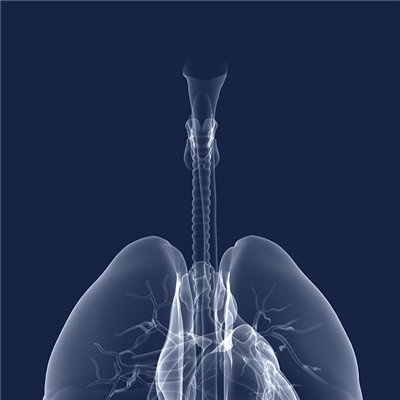
First, know your body. From 8 months, parents should guide the baby to know his body. For example, according to the baby's understanding, it is natural to explain the various parts and functions of the body to him, and treat the baby's body with a caring and appreciative attitude, so that he can correctly understand and treat his body.
Second: understand the difference between men and women. After that, the baby can notice the differences between men and women's bodies, so that boys and girls of the same age can take a bath together, so that they can recognize each other's physiological differences; with the development of language, the baby will start to ask about gender related vocabulary, at this time, don't use other names to replace or avoid the child, should scientifically and correctly tell the baby the name of the corresponding part, so that the child can feel different from other parts of the body Part of the same natural, satisfy his curiosity.
Third, treat private affairs correctly. When children enter the sexual bud stage, they may touch their genitals in public or play "Sex Games". At this time, it is not appropriate to scold or use words such as "shame" to stop children. This will make the child have a bad evaluation of the body.
matters needing attention
The more naturally adults treat children's actions, the more naturally children can accept their body and self. Tell him what is his secret and can't be exposed, how to protect it, and give children loose clothes to reduce stimulation, and increase interesting activities to divert children's attention.