Diving decompression sickness symptoms?
summary
Diving decompression sickness is a kind of disease caused by the formation of bubbles in tissues and blood in the process of divers returning to the water surface (normal pressure) after staying under water (high pressure) for a certain period of time, because the rising (decompression) amplitude is too large and the speed is too fast, and the gas dissolved in the body can not be discharged with breathing. Diving decompression sickness symptoms? Now let me tell you something.
Diving decompression sickness symptoms?
The first type of decompression sickness is mainly due to the blockage and accumulation of inert gas bubbles in subcutaneous tissue or between muscles or joints, resulting in severe joint pain and affecting exercise ability. Its main symptoms are: skin itching, tingling, ant walking sensation, red rash, marbling, joint muscle pain, "keep the limbs in flexion position to reduce pain, so it is called limb flexion syndrome".
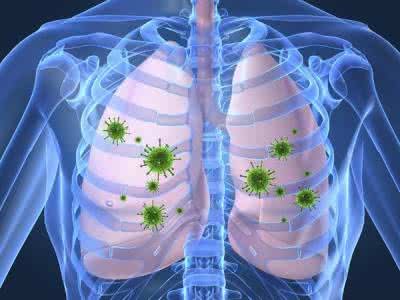
Decompression sickness type 2 is mainly due to gas bubbles filling in the respiratory system, blood circulation system or nervous system, resulting in serious physical dysfunction, resulting in shock and death. The main symptoms are: dizziness, dizziness, vomiting, tinnitus, dizziness, blurred vision, unclear language, numbness of limbs, chest tightness, chest pain, blindness, shock and even death.
Chronic type: people who work under abnormal pressure for a long time may suffer from chronic injury to the central nervous system or body tissues due to improper decompression, resulting in inattention, vision loss, memory loss, action disorder and abnormal behavior. In addition, decompressive osteonecrosis is a kind of non infectious ischemic osteonecrosis, which usually occurs in the long head of professional divers or high-pressure indoor workers, especially the femoral head and humeral head.
matters needing attention
Although it will not appear in your diving schedule or diving computer list, it is a good guarantee for you to dive. It's better to stay safely when diving. You can stay safely for 10% of the diving time.