Symptoms of convulsions in hysteria
summary
Hysteria is a comprehensive disease of psychology and physiology. Patients suffering from hysteria will have many symptoms, such as systemic spasm. Spasm is a sudden contraction of the whole body muscles, which leads to convulsions. In severe cases, patients will also have symptoms such as biting their own tongue and foaming at the mouth. Therefore, when the patient has convulsion symptoms, timely treatment should be carried out to maintain the patient's relaxed state, to avoid cardiac arrest and dyspnea caused by spasm, and the accidental injury of their own patients. The symptom of hysteria convulsion? Let's talk about it
Symptoms of convulsions in hysteria
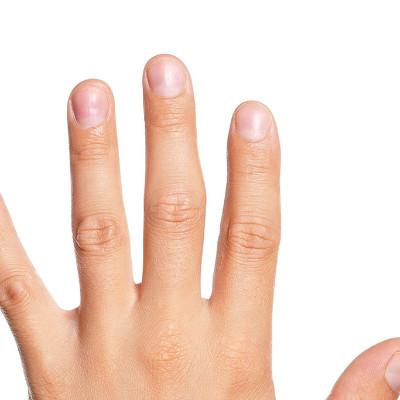
Major convulsion: there are obvious psychological inducements before convulsion. Convulsion is irregular, without ankylosis and clonic period. It is usually wrist joint, metacarpophalangeal joint flexion, interphalangeal joint extension, thumb adduction, lower limb extension or body stiffness, paroxysmal acceleration of breathing, slightly red face, no incontinence, no tongue biting, and normal pupil size during seizure; Corneal reflex exists, even sensitive. Although the consciousness seems unclear, it can be suggested that the convulsion will be suspended, and the limbs will not relax in the later stage of the attack. Generally, the attack can last for several minutes or hours.
Spasmodic disorder: it often occurs suddenly when the emotion is excited or implied, falls down slowly or lies on the bed, shouts should not, the whole body is stiff, the limb shakes and so on, no incontinence, mostly lasts for dozens of minutes.
Dyskinesia: can be manifested as reduced movement, increased or abnormal movement. Paralysis: can show single paralysis, paraplegia or hemiplegia, examination can not find evidence of nervous system damage; Limb tremor, twitch and myoclonus; Can't stand up, can't walk; Mutism, aphasia.
matters needing attention
To relieve the spasm symptoms of patients, we need to put the patients on the bed gently, or lie down on the spot, maintain the posture that can make the patients breathe unobstructed, give the patients systemic kneading and massage, promote the relaxation of muscles, and do not let the patients' body excessive tension lead to dyspnea.